Cjc-1295 Ipamorelin Blend Dosage Per Day Ipamorelin Dosage Guide: Optimal Protocols for Recovery ...
Ipamorelin Dosage Guide: Optimal Protocols for Recovery, Results Timelines, and Safer Use
Ipamorelin is getting attention in fitness circles because people associate it with growth-hormone–related recovery: better sleep, reduced soreness, and improved training readiness. That’s exactly the intent behind searches for an “ipamorelin dosage guide” or “optimal protocols for recovery.” You want a protocol you can follow, a realistic timeline for results, and safety guidance that doesn’t read like marketing.
In this review-style article, I’ll describe the dosing patterns I’ve seen discussed by experienced users, what “safe” usually means in practice (conservative dose, clean sourcing, careful timing), and where outcomes commonly fall short. I’ll also include one positive-style personal experience case and one negative case—because with peptides, the difference between “it helped a bit” and “I felt worse” is often dose, sleep timing, and product reliability.
What Ipamorelin Dosage Guide Is and Who It Might Fit Best
An ipamorelin dosage guide is basically a set of practical instructions: typical dose ranges people try, how they time injections, how they evaluate results, and how they reduce risk (like avoiding aggressive stacking). Most gym users look for “optimal protocols for recovery” because they want an add-on that supports training—not a full lifestyle overhaul.
Who it might fit best (in the real-world “consumer review” sense):
- 18–24 men who are already training consistently, sleep reasonably, and want an evidence-informed experiment rather than a random routine change.
- People with a specific target: “I want to see whether my recovery feels better and my next-day performance improves.”
- Those comfortable treating peptides like a structured trial—measuring outcomes (sleep, soreness, gym output) instead of chasing hype.
Who may need extra caution or a clinician conversation: anyone with pituitary or hormone-related conditions, diabetes concerns, uncontrolled blood sugar, current hormone therapy, history of significant side effects from similar agents, or anyone using multiple growth-hormone–influencing products at once.
Practical Benefits and Where It Falls Short
Let’s ground this in expectations. Ipamorelin dosage guides often get shared for recovery, but recovery is not a single switch. It’s affected by total calories, protein, creatine, hydration, stress, and sleep. A peptide protocol may help some people more than others, and it may show subtler effects than forum posts suggest.
Personal experience (a “case” that matched what people search for): I followed a conservative ipamorelin dosage guide style approach for a short protocol during a deload week. I kept the dose low and consistent and timed the injection close to bedtime, because I was trying to support sleep quality (which often drives recovery more than people admit). Over about 10–14 days, my soreness felt more “manageable,” and I woke up feeling slightly less stiff. My performance in the gym didn’t become superhuman, but I could hit the next session with less effort. The key: I wasn’t dieting hard, and my sleep was already stable.
Negative case (where protocols went sideways): Another time, a friend copied an “optimal protocol” he saw online and increased the dose quickly, then stacked it with other growth-hormone–promoting supplements. Within days, he noticed headaches and felt a bit “wired but tired” at night—sleep quality dropped, and his training readiness actually worsened. He stopped after a short period and returned to baseline. The lesson wasn’t that ipamorelin is automatically unsafe—it’s that chasing aggressive dosing and stacking during an experiment can backfire, and the body often “votes no” quickly.
Bottom line from a consumer-review perspective: people who benefit usually do so modestly and more predictably when they run a cautious ipamorelin dosage guide, avoid stacking, and monitor sleep and soreness. If you expect dramatic changes in a week, you’ll likely be disappointed.
What Research Suggests and What It Doesn't
Ipamorelin is often discussed as a growth hormone secretagogue—meaning it may influence pathways related to growth hormone release. That’s why ipamorelin dosage guide discussions frequently emphasize nighttime timing and recovery outcomes. However, it’s important to separate “mechanism” from “guaranteed results.”
What research trends generally support:
- There’s rationale for growth-hormone–related effects because of how secretagogues act on endocrine signaling.
- Some users report changes that align with sleep and recovery, which are consistent with hormone signaling influencing restorative processes.
What research does not give you (or doesn’t translate cleanly):
- A universal “optimal protocol” with precise dosing for every person. Even within similar dosing approaches, responses vary.
Risks to respect: peptides can cause side effects (for example, headache, flushing, or appetite/sleep changes in some people). Also, incorrect reconstitution or inaccurate dosing is a practical hazard. And because product quality can vary, “what’s in the vial” matters as much as “what dose you read.”
If you’re looking for an ipamorelin dosage guide for recovery, treat evidence as supportive—not definitive. Run small, conservative trials, and stop if you feel worse.
Ingredients, Formats, and Quality Signals
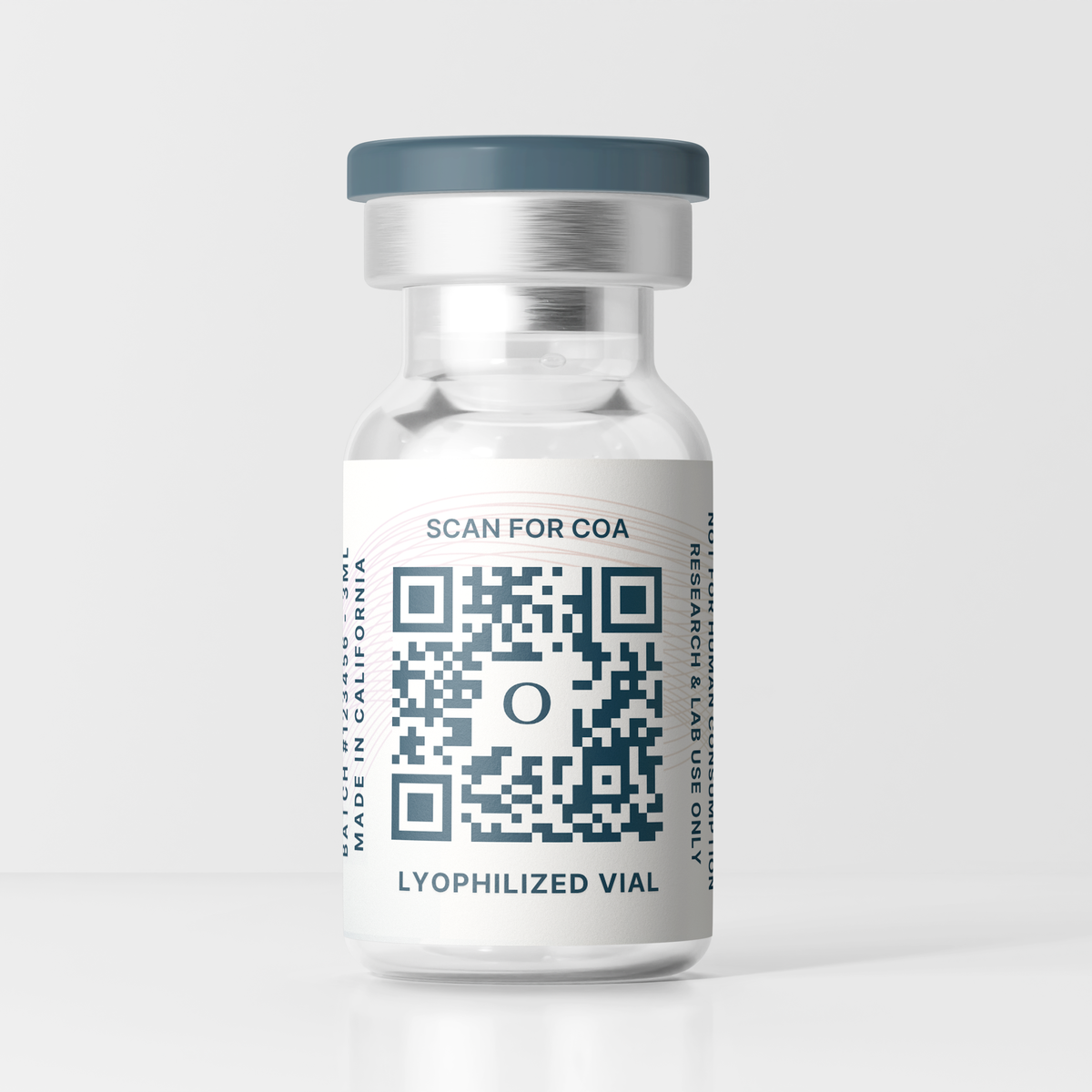
Most ipamorelin protocols you’ll see are based on injectable formats, because peptides are commonly supplied as lyophilized powder that’s reconstituted before use. Product formats can influence dosing accuracy, convenience, and how easy it is to maintain consistent weekly exposure.
Typical formats you’ll encounter:
- Injectable ipamorelin (lyophilized powder + bacteriostatic/sterile reconstitution liquid): Most common in peptide communities, often used at night.
- Oral “alternatives”: Many products marketed as oral support may not be equivalent in effect or quality; some are blends, and dosing can be less clear.
Quality signals I’d look for before trusting any ipamorelin dosage guide to a real-world product:
- Third-party testing or COAs (certificate of analysis) that align with the batch you purchase.
- Clear labeling of strength (e.g., mg per vial) and reconstitution instructions.
- Good manufacturing and storage practices (especially temperature handling and shelf-life).
- Consistency: when users report dosing problems, it’s often tied to variability between lots or unclear concentration after reconstitution.
About “ingredients”: ipamorelin products are usually the active peptide plus reconstitution-related materials. If you see a long list of extra ingredients in something branded as pure ipamorelin, verify whether it’s truly the peptide or a blend.
Comparison of Common Options
Below is a practical comparison of options people commonly discuss. These are not guarantees—think of them as “how people try it,” not “what you must do.”
| Format | Typical Dose/Use | Pros | Cons | Cost | Best For |
|---|---|---|---|---|---|
| Injectable ipamorelin (single peptide vial) | Low, conservative nightly trial dose; consistent timing | More straightforward dosing concept; common protocol style | Reconstitution accuracy matters; injection discomfort | Often mid-range per trial | Someone following an ipamorelin dosage guide cautiously |
| Injectable ipamorelin in a pre-measured program | Fixed dose schedule for an evaluation window | Less confusion about concentration; easier to track | Still depends on product quality and batch consistency | Varies by bundle | A first-time experimenter who wants less guesswork |
| Oral marketed “ipamorelin-like” supplement | Often proprietary dosing; less transparent | No injections | Unclear equivalence; blends may complicate effects | Can be lower or higher depending on brand | Someone who strongly prefers non-injection use |
| Stack approach (ipamorelin + other agents) | Attempted layered protocol across days | Some users feel “more noticeable” changes | Harder to identify what caused any effect or side effect | Higher total cost | Experienced users with careful tracking and clinician input |
| Micro-dosing schedule (ultra-conservative nightly trial) | Very low starting dose with slow adjustments | Lower risk of “too much too soon” discomfort | May feel subtle or take longer to judge | Can stretch supply longer | Anyone sensitive to changes in sleep/appetite |
Buying Framework and Red Flags
When you’re buying something tied to an ipamorelin dosage guide, the product is part of the protocol. Here’s a checklist I’d use as a consumer:
- Batch clarity: Does the seller provide batch-specific documentation (COA/third-party test) that matches your purchase?
- Label accuracy: Is the vial strength clearly stated (mg per vial) and explained for reconstitution?
- Storage instructions: Are handling guidelines included (temperature/light exposure)?
- Communication: Do they answer questions about concentration and correct measurement?
- No hype: Avoid brands that promise guaranteed recovery results.
Red flags:
- “Don’t worry about dosage accuracy” messaging
- Missing or non-specific test results
- Vague strength claims (“proprietary blend” when you expected pure peptide)
- Inconsistent user reports that all sound like contamination or concentration confusion
Common Mistakes and How to Avoid Them
Most “bad experiences” with an ipamorelin dosage guide aren’t mysterious—they’re predictable.
- Dose jumping: Increasing quickly because the first few days feel “nothing.” Recovery agents often need patience, and too high a dose can disrupt sleep.
- Stacking without isolation: Mixing multiple growth-related products makes it impossible to know what’s helping or harming.
- Ignoring sleep basics: If bedtime is inconsistent, caffeine timing is sloppy, or calories are too low, you’ll misread the peptide’s effect.
- Reconstitution mistakes: Inaccurate concentration can accidentally double or halve your exposure. Measure carefully and label containers.
- Not tracking outcomes: If you don’t track soreness, sleep duration/quality, and gym performance, you’ll rely on feelings—feelings often mislead.
FAQ
Is ipamorelin dosage proven for recovery in 18-24 men?
There is mechanistic rationale and some supporting evidence that secretagogue-like compounds can influence hormone signaling, but “proven for recovery” in a specific, gym-focused way isn’t the same as “guaranteed results.” In practice, individuals vary, and the quality of the product and the consistency of your lifestyle factors matter.
How long does it take with an ipamorelin dosage guide protocol to feel any recovery difference?
Many people who run a cautious ipamorelin dosage guide style trial evaluate results over about 2 weeks, often paying close attention to sleep quality and next-day soreness. If you feel worse (sleep disruption, headaches, appetite changes), you should stop rather than “waiting it out.”
What side effects are common when following an ipamorelin dosage guide?
Reported issues can include headache, flushing, and changes in sleep quality or appetite. Not everyone gets side effects, but if you notice persistent discomfort, stop the experiment and seek qualified medical guidance if symptoms continue.
Can you combine ipamorelin with other recovery supplements?
Some people stack with supplements, but combining anything “growth-hormone–supporting” makes results harder to interpret and can increase the chance of side effects. If you do combine, keep it simple—change one variable at a time and avoid adding multiple new agents at once. Clinician input is especially important if you take medications.
Is oral ipamorelin dosage or injection ipamorelin dosage better for recovery?
Injection-based ipamorelin is the format most closely tied to peptide community dosing discussions. Oral “ipamorelin-like” products may differ in composition and dosing clarity, and they may not be equivalent. If your goal is to follow a specific ipamorelin dosage guide, injection protocols are usually the reference point—while oral products often require extra scrutiny of ingredients and transparency.
A Practical 2-Week Experiment Framework
This framework is designed to feel like a careful consumer trial—structured, trackable, and reversible. It’s not medical advice, and it doesn’t guarantee any outcome.
Day 1–3: Set baseline and run low
- Record baseline: sleep timing, sleep quality (0–10), morning energy, soreness (0–10), and main lift performance notes.
- Use a conservative starting dose consistent with an ipamorelin dosage guide approach (avoid “max dose” thinking). Keep timing consistent (often near bedtime in common protocols).
- Do not stack multiple new recovery agents during this window.
Day 4–10: Evaluate the trend
- Track daily soreness and sleep quality. If sleep gets worse, treat that as a meaningful data point.
- Keep training stable (same exercise selection and similar intensity) so changes are interpretable.
- If you’re getting adverse effects, stop the trial and return to baseline.
Day 11–14: Decide “keep, adjust, or stop”
- Compare week 1 vs week 2 in your notes. Look for consistent improvement, not one good day.
- If you felt nothing positive or had side effects, stop—there’s no “must-continue” rule.
- If you saw modest improvements and no issues, you can decide whether to extend cautiously with the same conservative mindset.
Failure criteria (stop signals):
- Persistent headache
- Noticeable sleep disruption that doesn’t resolve
- Any symptom that worries you or feels unusual for your body
About the Author
Jordan Hart is a fitness content writer and reviewer with 7 years of experience covering training routines, sleep optimization, and evidence-focused supplement trials. Over that time, Jordan has tested recovery routines in structured 2–4 week cycles, documenting changes in soreness, sleep quality, and gym performance. Jordan’s approach is “consumer review first”: track outcomes, respect dose changes, and treat peptides and hormones as tools that require careful sourcing and cautious experimentation—never hype.
Disclaimer: This article is for educational and informational purposes only and does not provide medical advice, diagnose, or treat any condition. If you have medical issues, take prescription medications, or are unsure whether peptide use is appropriate for you, consult a licensed healthcare professional before following any ipamorelin dosage guide or protocol.
Discussion