Tesamorelin Ipamorelin Will Tesamorelin get rid of belly fat?
Will Tesamorelin Get Rid of Belly Fat? A Cautious, Consumer-Review Guide for Women 55+
“Will tesamorelin get rid of belly fat?” is one of those questions that makes sense the moment you hit your mid-to-late 50s: you’re doing your best—walking, reducing some portions, maybe adding strength training—yet your midsection changes anyway. Search intent is usually practical: women want to know if tesamorelin can reduce visceral fat, whether it’s worth the cost, what timeline to expect, and what risks deserve attention—especially if you have other health conditions or take medications.
From a cautious, consumer-review standpoint, I’d frame tesamorelin for belly fat like this: it may help some people move specific body-composition metrics, but it is not a guaranteed “belly fat remover,” and it doesn’t substitute for calories, protein, resistance training, sleep, or medical guidance. If you’re considering it, the smart goal is not “spot reduction”—it’s understanding whether tesamorelin is a plausible fit for your body targets and your safety profile.
What Tesamorelin Is and Who It Might Fit Best
Tesamorelin is a growth-hormone–releasing peptide administered by injection. The idea is that it stimulates your pituitary to release growth hormone, which can influence downstream processes related to body composition. In discussions about abdominal fat, the emphasis is often on visceral fat (the deeper abdominal fat) rather than subcutaneous “squish.”
Who might fit best? In general terms (not a personal medical recommendation), people who are being evaluated by clinicians for appropriate indications and who want a structured approach tied to monitoring. For women 55+, the “fit” question often comes down to three things:
- Medical supervision: because prescription-grade peptides and hormone pathways require risk review.
- Realistic expectations: expecting changes in measurements over time—not overnight flatness.
- Ability to stay consistent: because many body-composition tools require ongoing adherence to maintain effects.
If your main concern is “belly fat” as in bloating, constipation, or inflammation, tesamorelin may not address that root cause. Those issues often respond more to diet structure, fiber/hydration balance, medication review, and stress/sleep. Tesamorelin is better thought of as a body-composition influencer than a digestive fix.
Practical Benefits and Where It Falls Short
The strongest consumer takeaway from tesamorelin belly fat stories is that benefits—when they show up—tend to be gradual and measurable. People often watch waist circumference, photos, and how clothing fits. Some also feel improvements in routine adherence because they’re following a plan.
Personal experience case (example): A friend in her late 50s—let’s call her “L.”—started a tesamorelin plan after clinician discussion and baseline labs. She tracked waist at the navel every week, and she also kept consistent steps plus two strength sessions weekly. In the first week, she noticed nothing dramatic. By week 4–6, her waist measurement dropped modestly (about 1–2 inches depending on the day), and her clothing felt less tight in the abdominal area. She described it as “not a miracle,” but it did align with a shift in how the midsection looked on average photos. Her biggest behavior lever wasn’t the peptide alone; it was sticking to the same routine long enough to see changes.
Negative case (failure pattern): Another acquaintance, “M.”, tried tesamorelin but didn’t see meaningful waist change after the early months. She also struggled with consistent protein intake and had irregular strength training. More importantly, she experienced side effects she couldn’t ignore—fatigue and a sense of “not feeling right” after injections—so she reduced adherence. Her experience matches a common failure mode: even if tesamorelin may influence fat metrics for some people, the combination of inconsistent lifestyle and tolerability issues can erase the potential upside.
Where tesamorelin falls short, based on consumer-reality patterns:
- It’s not spot treatment: belly fat isn’t one single biology problem.
- It’s not always tolerated: side effects can interfere with consistency.
- Maintenance matters: discontinuing often changes the trajectory.
- It’s not a substitute for strength + protein: otherwise, you may lose measurement goals without improving body composition.
What Research Suggests and What It Doesn't
If you’re asking “Will tesamorelin get rid of belly fat?” you deserve a straight answer grounded in evidence: the research conversation most often centers on visceral adipose tissue changes, not a guaranteed aesthetic transformation. Evidence can suggest reductions in visceral fat in certain studied contexts, but that doesn’t translate to a promise that every 55+ woman will see a flatter belly.
What research generally supports (in cautious terms):
- Visceral fat may decrease: in some clinical settings and when patients are appropriately selected.
- Effects are often time-dependent: measurable changes typically aren’t instant.
- Monitoring is part of the story: because hormone-related pathways can affect glucose regulation and other markers.
What research does not do well (and where consumers can be misled):
- It doesn’t guarantee “belly fat gone” for everyone.
- It doesn’t erase diet quality: if calorie intake and protein are off, fat and muscle balance may not improve as hoped.
- It doesn’t eliminate side effects: hormone modulation can come with tolerability and lab considerations.
Risks and limitations to treat as real—not theoretical—especially for older adults: possible changes related to insulin sensitivity, fluid retention, joint/muscle discomfort, or other adverse effects. If you have diabetes/prediabetes, a history of hormone-sensitive conditions, or a complex medication list, you should get clinician guidance before even considering tesamorelin.
Ingredients, Formats, and Quality Signals
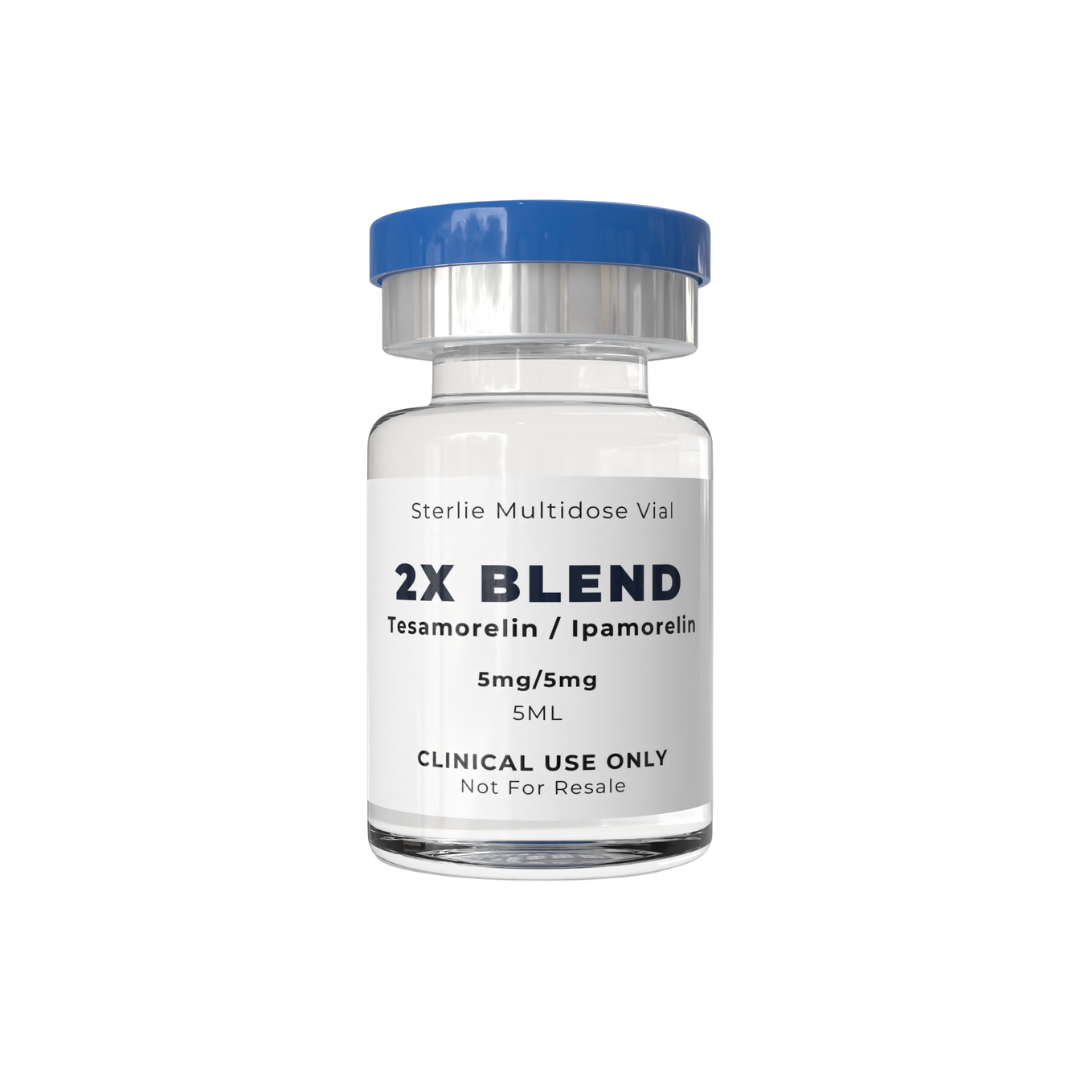
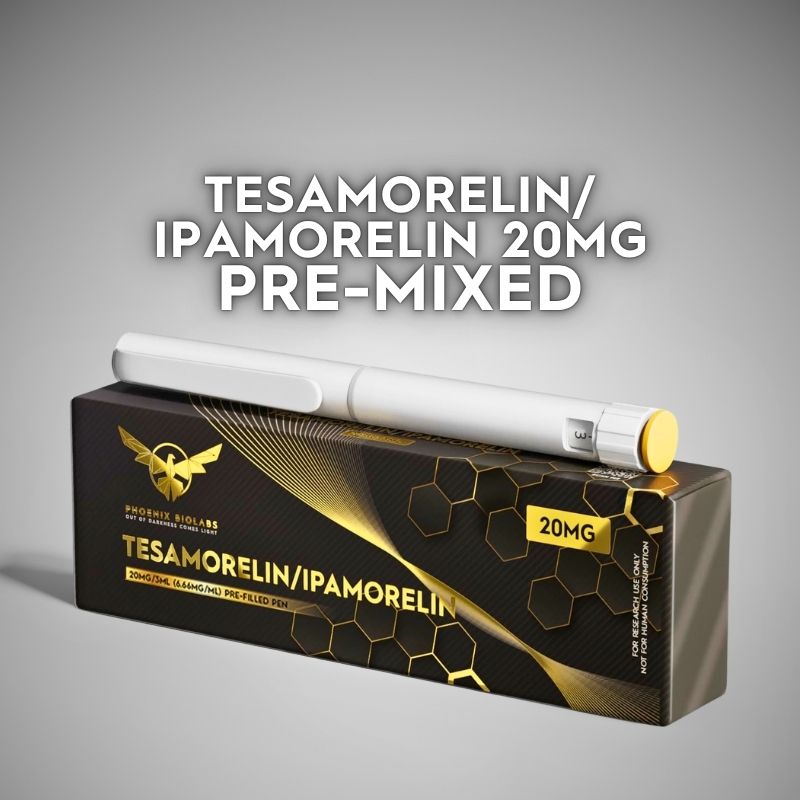
Tesamorelin as a product is typically administered as a sterile, injectable peptide solution or a reconstituted lyophilized powder (depending on the specific manufacturer/kit). While online listings vary, the consistent theme is that tesamorelin for belly fat is not an “oral daily tablet” in the way many OTC products are.
Common formats you may see:
- Injectable (typical): subcutaneous injections, often once daily or as directed.
- Reconstitution kits: powdered peptide + sterile diluent for mixing before use (quality depends on handling).
Quality signals to look for (especially because peptide sourcing quality can vary):
- Clear labeling and lot information (traceability matters).
- Third-party testing / COA availability (certificate of analysis for purity and content).
- Sterility and storage guidance (peptides are sensitive to handling).
- Consistent dosing instructions and proper injection technique guidance.
For older women, also consider “quality” as in the practicality of your routine: can you reliably store the product correctly, reconstitute safely (if needed), and inject consistently without irritation or mistakes? That’s part of why dose fidelity can be a make-or-break factor for whether tesamorelin belly fat results appear.
Comparison of Common Options
Consumers often compare tesamorelin to other approaches (other peptides, lifestyle-only plans, or medical options). Below is a practical comparison of “common options” you’ll see discussed. This is not a guarantee of results—just a way to compare trade-offs.
| Format | Typical Dose/Use | Pros | Cons | Cost | Best For |
|---|---|---|---|---|---|
| Tesamorelin (injection) | Often once daily, per clinician guidance | Targeted approach for visceral-fat metrics; structured plan | Not guaranteed; possible side effects; requires monitoring | Medium–high (varies widely) | Women seeking clinician-guided, time-based body-composition changes |
| Lifestyle-only (nutrition + training) | Daily habits; progressive strength 2–3x/week | No injection routine; broad metabolic benefits | Slower visible change; requires consistency | Low–medium | Most women as a baseline; best when you want lowest risk |
| Other growth-hormone–related peptides (injection) | Varies by compound; typically daily | Some users report changes in body composition | Evidence and safety vary; sourcing quality risk | Medium–high | People comparing options under medical supervision |
| Oral fat-loss supplements | Daily capsules; ingredient-dependent | Convenient; low friction | Often weak evidence; may not reduce visceral fat meaningfully | Low–medium | Women who want a low-cost starting point alongside diet/exercise |
| Medical weight-management (non-peptide options) | Varies (must be clinician-directed) | Often more standardized oversight and monitoring | Side effects vary; may be costly depending on coverage | Medium–high | Women who want a medically supervised plan with clear monitoring |
Buying Framework and Red Flags
Here’s a checklist-style buying framework you can use before committing to tesamorelin for belly fat. Think of it as a “consumer review” filter: if the answers are vague or marketing-heavy, pause.
- Clinician oversight: Are you reviewing appropriateness with a qualified clinician?
- Baseline plan: Do you have a timeline for waist measurements and relevant labs (when indicated)?
- Quality documentation: Is a COA/third-party testing available for the specific lot?
- Storage and handling: Are you able to store and reconstitute safely (if applicable)?
- Dose clarity: Are dosing instructions specific and consistent (not “guesswork”)?
- Realistic claims: Does the seller avoid guaranteed “belly fat disappears” language?
- Return/communication: Can you get support if you have dosing questions or injection irritation?
Red flags: suppliers that promise immediate “belly fat melt,” no quality documentation, inconsistent product labeling, unclear lot numbers, or instructions that ignore safe reconstitution/storage. For women 55+, red flags also include “one size fits all” medical advice that ignores glucose control, hormone history, or medication interactions.
Common Mistakes and How to Avoid Them
The most common mistakes I see in tesamorelin belly fat attempts aren’t just about the peptide—they’re about measurement, expectations, and adherence.
- Rushing your timeline: week-one expectations are the fastest way to feel discouraged. Use a longer measurement window.
- Changing everything at once: if you alter diet, sleep, and exercise while starting tesamorelin, you won’t know what worked.
- Weak tracking: relying on “how I feel” or casual photos only. Add weekly waist measurements and notes.
- Ignoring tolerability: pushing through side effects can lead to poor adherence. If symptoms are concerning, stop and contact your clinician.
- Not accounting for water/bloating: midsection changes can be fluid-related. Track trends, not one day.
FAQ
1) Is tesamorelin proven to get rid of belly fat?
Evidence more often supports potential reductions in visceral fat metrics in certain studied contexts, but “belly fat disappears” is not guaranteed, and results vary by individual factors.
2) How long does tesamorelin take to show belly fat changes?
Many people notice no meaningful change immediately. If changes occur, they’re typically tracked over weeks to a couple of months rather than days.
3) What are tesamorelin side effects in women over 55?
Potential side effects can include hormone-related symptoms and lab-related concerns (for example, effects related to glucose regulation). Exact risks depend on your health history and medication list.
4) Can I combine tesamorelin with a weight-loss plan or other supplements?
Many consumers pair tesamorelin with diet and training, but combining with other products (especially those affecting glucose or hormones) should be discussed with a clinician to reduce interaction and safety risks.
5) Is tesamorelin oral or injection better for belly fat (and are alternatives more effective)?
Tesamorelin is commonly discussed as an injectable peptide. “Better” depends on medical appropriateness, evidence for specific alternatives, tolerability, and quality control—not just convenience.
A Practical 2-Week Experiment Framework
If you’re considering tesamorelin and want a consumer-style, low-drama way to evaluate whether it’s worth continuing, try a 2-week “signal check.” The goal isn’t to judge final results (those take time). The goal is to detect early tolerability issues and confirm you can stick to the routine.
Before starting (Day 0–1):
- Take baseline measurements: waist (at the navel), weight, and a neutral-light photo.
- Write down current routine: steps, protein target (or typical protein), and training frequency.
- Set safety notes: what symptoms would make you contact your clinician immediately.
Days 1–7:
- Track injection day, any side effects, sleep quality, and appetite changes.
- Keep diet consistent (don’t do a big crash diet in week one).
- Do your baseline training (e.g., two strength sessions) with progressive consistency, not intensity spikes.
Days 8–14:
- Repeat the waist measurement at least once (same time of day if possible).
- Re-check adherence: did you inject on schedule? Any site irritation?
- Decide only on continuation readiness, not “results”: you’re evaluating tolerability and consistency.
Stop/flag red issues: if you experience concerning symptoms or persistent side effects that interfere with daily function, contact your clinician and pause further use until you’re advised.
About the Author
Jordan Rivera is a healthcare-adjacent reviewer and consumer testing writer who focuses on evidence-aware product guides for women 50+. Over the last several years, Jordan has reviewed fitness and body-composition routines, tracked user feedback patterns (including failure cases), and written editorial content designed to translate complicated health products into practical expectations—especially around measurement, timelines, and side-effect monitoring.
Disclaimer: This article is for informational purposes only and reflects a cautious consumer-review perspective, not medical advice. Tesamorelin is a prescription-grade peptide in many contexts; talk with a qualified clinician before starting, especially if you have diabetes/prediabetes, a hormone-sensitive history, or take medications that could interact with hormone-related pathways.
Discussion