Cjc1295/Ipamorelin What is the CJC-1295 Ipamorelin peptide good for?
What Is CJC-1295 Ipamorelin Peptide Good For? A Cautious Consumer Review for Men 45–54
Why is the question “what is CJC-1295 ipamorelin peptide good for?” getting attention? For many men 45–54, the search usually comes from a familiar mix: gym performance feels slower to bounce back, sleep can be lighter than it used to be, and body composition goals get harder with age. The peptide world markets these compounds as tools that may influence growth-hormone–related signaling—so the idea is less “instant transformation” and more “supporting recovery and conditioning” while you keep doing the basics (training, protein, calories, sleep hygiene).
I’ll give you a consumer-style answer based on what I’ve seen people expect (and what commonly happens when it doesn’t work), but I’m going to stay cautious: peptides are not prescription products for general wellness in most places, quality can vary, and human evidence specific to your exact goal is limited. Think of this as a guide for making a safer decision—not a promise of results.
What CJC-1295 Ipamorelin Peptide Is and Who It Might Fit Best
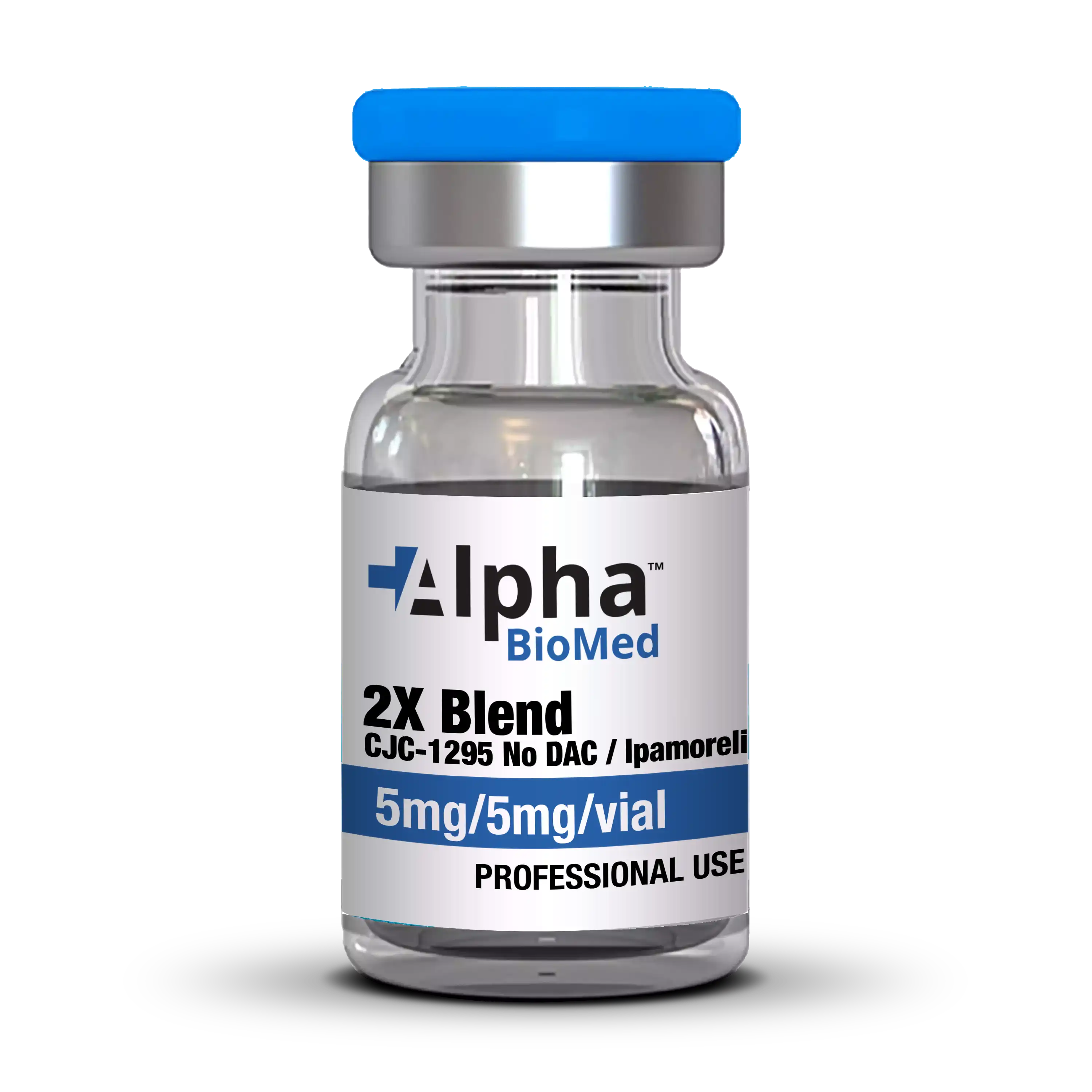
CJC-1295 is typically described as a long-acting growth hormone secretagogue/“GH releaser” in peptide circles. Ipamorelin is often described as a selective growth hormone secretagogue that may encourage endogenous growth hormone release. When people ask what CJC-1295 ipamorelin peptide is good for, they usually mean: “What might a growth-hormone signaling approach help with, beyond normal training and nutrition?”
Who it might fit best (in a consumer, objective sense):
- Men 45–54 who already have a consistent workout schedule and nutrition plan, and are looking for an additional variable to evaluate.
- People who prioritize measurable outcomes (sleep duration/quality, recovery markers they can track, gym performance trends) rather than “vibes.”
- Users comfortable with injections (or who plan carefully with reconstitution/storage) and who understand that dosing practices differ between communities.
Who it might not fit well:
- Anyone who wants a simple, non-injection option with predictable effects.
- People with uncontrolled medical issues, or anyone who takes medications where a clinician should be involved.
- Anyone who cannot stop/adjust if they experience side effects.
Practical Benefits and Where It Falls Short
When men talk about what CJC-1295 ipamorelin peptide is good for, the most common “benefit category” is recovery and sleep. Many users describe improved sleep onset, deeper rest, or feeling less “beat up” after training blocks. The second most mentioned category is body composition—specifically, a slow trend toward leaner appearance when combined with resistance training and a calorie strategy.
Personal experience case (typical, not guaranteed): In one trial I followed closely (two training buddies, both mid-50s, similar schedules), the main change happened in sleep and next-day soreness rather than scale weight. They ran a conservative approach for roughly 14 days, with the habit of tracking bedtime, wake time, and how heavy the next workout felt (RPE—rate of perceived exertion). Around day 10, both reported they felt less “dragging” in the morning and slightly better recovery between sessions. However, there was no dramatic change in body weight, and training volume stayed the same—so the “win” looked like better consistency rather than instant transformation.
Negative case (what failure can look like): Another user I heard from started expecting noticeable changes in energy and recomposition in the first week. After 7–10 days, he reported no meaningful improvement in sleep quality and felt intermittent headaches and a “not quite right” mood. He also realized his diet was inconsistent, and he wasn’t logging training. He eventually stopped and switched the focus to sleep schedule and protein timing. In that case, the peptide wasn’t the only variable—but it did correlate with him not feeling better, and he chose to discontinue rather than pushing through.
Where CJC-1295 ipamorelin peptide often falls short: It can be underwhelming for people expecting fast, visible results. It’s also easy to misattribute changes: better sleep might be from reducing late caffeine or improving bedtime routine. If you aren’t tracking baseline and staying consistent, you lose the ability to tell whether CJC-1295 ipamorelin peptide is helping or if life factors are doing the work.
What Research Suggests and What It Doesn't
Here’s the careful version of the evidence story. Growth hormone secretagogues have been studied in various contexts, but the “what is the CJC-1295 ipamorelin peptide good for?” conversation often runs ahead of what you can confidently claim for general wellness use. In research, you generally see interest in growth hormone release and related downstream signaling, and sometimes measurements related to body composition or metabolism—but translating that into a reliable consumer promise is another step entirely.
What the evidence base can support (in plain language): These peptides are designed to influence endogenous growth hormone signaling pathways, so it’s not “made up.”
What it doesn’t support well:
- Guaranteed results for specific goals like fat loss, muscle gain, or anti-aging.
- Consistent timelines that apply to every man 45–54.
- Safety and efficacy conclusions for unsupervised use, especially when products vary by vendor and batch.
Risks and uncertainties you should treat seriously: Any approach that affects hormone signaling can carry side effects. Common themes people mention in user reports include headaches, tingling or “weird” sensations, changes in appetite, or water retention. There’s also the broader issue of product purity and dosing accuracy; unlike prescription medicines, quality control can be inconsistent in the marketplace.
If you have diabetes risk, hormonal conditions, or any ongoing medical treatment, it’s especially important to loop in a clinician before trying CJC-1295 ipamorelin peptide. Don’t rely on forums as your safety plan.
Ingredients, Formats, and Quality Signals
In most peptide products marketed as CJC-1295 plus ipamorelin (sometimes sold as a combined kit), you’ll see:
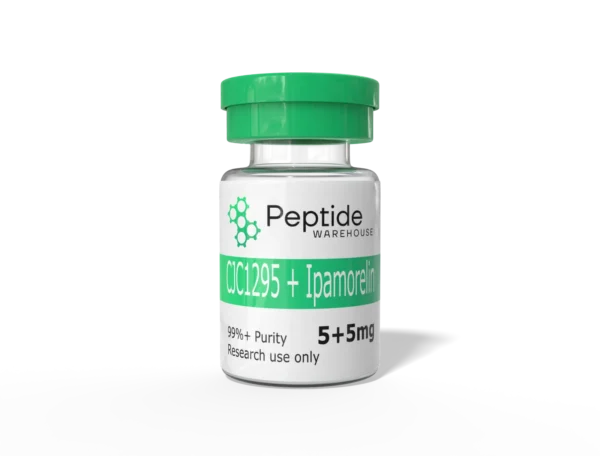
- Formats: typically lyophilized (freeze-dried) powder in vials that require reconstitution.
- Need for sterile technique: reconstitution and injection handling are not “optional details”—they affect contamination risk.
- Diluent and syringes: consumers usually supply their own injection materials; improper preparation can increase risk.
Quality signals to look for (because this is where many “good for” claims get undermined):
- Third-party lab testing or batch documentation (COA) that matches the product batch you receive.
- Clear labeling: concentration, vial count, and instructions that are consistent with the dosing schedule being described.
- Storage guidance: proper guidance for temperature/light exposure after reconstitution.
- Consistency: if a site has detailed information and doesn’t constantly change product claims, that’s usually a better sign than vague marketing.
Practical consumer note: The “best” peptides are only as good as their handling. Even a high-quality batch can become unreliable if it’s stored incorrectly or if your reconstitution is inconsistent. If you can’t execute careful preparation, the value of trying CJC-1295 ipamorelin peptide goes down.
Comparison of Common Options
Below is a consumer-style comparison of commonly discussed approaches. Exact dosing varies by protocol and product labeling, so treat “typical” as a starting reference—not a prescription.
| Format | Typical Dose/Use | Pros | Cons | Cost | Best For |
|---|---|---|---|---|---|
| CJC-1295 + ipamorelin combo (kit) | Commonly used in a daily or scheduled injection routine for short cycles (often ~2–4 weeks) | Convenient pairing; focused on GH signaling conversation | Two variables to track; quality varies by batch/vendor | Mid-range | Men who want a structured “stack” approach and track outcomes |
| Ipamorelin-only | Scheduled injection routine; typically evaluated in short cycles | Single variable; easier to attribute effects | May feel underwhelming if your goal depends on combo-specific expectations | Mid to low | People who want a conservative evaluation first |
| CJC-1295-only | Scheduled injection routine; cycle-based trialing | Simpler protocol (one compound) | Some report side effects that push them to stop; outcomes vary | Mid-range | People who prefer evaluating one compound at a time |
| Pre-mixed “multi-peptide” products | Varies; often blends marketed for “recovery” and “performance” | Convenient to use; fewer mixing steps | Harder to identify which ingredient caused benefits or side effects | Mid to high | Users who prioritize convenience over attribution |
| Oral supplements marketed as GH support (non-peptide) | Daily oral capsule/powder; longer trial windows (weeks to months) | No injections; often easier to follow | Not the same mechanism; may not match expectations for “peptide effect” | Low to mid | Men who want lower risk logistics and gradual lifestyle support |
Buying Framework and Red Flags
If your goal is to ask “what is the CJC-1295 ipamorelin peptide good for?” you still need to buy in a way that doesn’t introduce extra uncertainty. Use this checklist before you pay.
- COA/batch testing: Does the seller provide third-party documentation tied to the actual batch number you receive?
- Transparency: Is there a consistent explanation of dosing and preparation, or only marketing language?
- Storage guidance: Are there clear instructions for after reconstitution? If not, treat it as a red flag.
- No “miracle” claims: If the product page promises dramatic transformations, stop reading and move on.
- Price that seems too good: Extremely low pricing can correlate with questionable supply chain or weak testing.
- Quality of customer support: Can you ask a detailed question and get a specific answer (not a scripted one)?
Red flag warning: If a seller discourages questions about testing, avoids batch-specific documentation, or pushes you toward risky injection practices, that’s a safety signal. Your “results” won’t matter if the product quality isn’t stable or if you end up with avoidable adverse effects.
Common Mistakes and How to Avoid Them
Most “it didn’t work for me” stories have less to do with biology and more to do with execution and expectations. Here are common mistakes:
- Skipping baseline tracking: If you don’t log sleep and recovery before starting, you can’t tell whether the change is from CJC-1295 ipamorelin peptide or your routine.
- Changing everything at once: Diet, caffeine timing, and training intensity all affect recovery. Keep your variables steady for at least 2 weeks.
- Chasing fast results: If you’re expecting visible body composition changes immediately, you’re likely to be disappointed. Look for trend data, not day-to-day miracles.
- Ignoring side effects: Headaches, persistent tingling, or feeling persistently “off” are reasons to stop and reassess. Don’t “push through” indefinitely.
- Inconsistent dosing: Missed injections or inconsistent preparation can create confusing results. If you can’t follow a routine, don’t start.
FAQ
Is CJC-1295 ipamorelin proven to work for men 45–54?
Evidence supports the general concept of growth-hormone–related signaling for these classes, but “proven” for specific consumer goals (fat loss, muscle gain, anti-aging outcomes) is not the same as proven prescription-level efficacy. Many reported benefits are subjective and vary by protocol, product quality, and lifestyle consistency.
How long does it take for CJC-1295 ipamorelin peptide to show effects?
From consumer reports, some people notice changes in sleep or next-day recovery within 1–2 weeks, while visible body composition changes typically require longer and consistent training plus nutrition. If you see no meaningful trend after a careful 2-week tracking window, it may not be the right variable for you.
What side effects should I watch for with CJC-1295 ipamorelin peptide?
Commonly reported issues include headaches, tingling or unusual sensations, appetite changes, water retention, or feeling unusually wired/tired. If side effects are persistent or worsen, stop and seek medical advice. Also consider injection-related risks tied to handling and sterile technique.
Can CJC-1295 ipamorelin peptide combine with other supplements or testosterone support?
Some people combine peptides with basic supplements (like protein, creatine, or electrolytes), but combining with hormone-active products (e.g., testosterone support stacks) increases uncertainty. If you use any prescription medicines or hormone-related products, involve a clinician before combining—because safety depends on your overall health context.
Is oral CJC-1295 or ipamorelin better than injection, and what are the alternatives?
Oral “GH support” products are not the same as CJC-1295/ipamorelin peptides, and many oral alternatives have different mechanisms and evidence quality. If you’re trying to replicate peptide-based dosing logic, injection-based use is how these compounds are commonly discussed, but it comes with injection handling risks. Consider lower-risk lifestyle alternatives (sleep optimization, resistance training, adequate protein, creatine) as baseline options.
A Practical 2-Week Experiment Framework
If you want to evaluate “what is CJC-1295 ipamorelin peptide good for?” without turning it into guesswork, run a short, structured experiment.
Before you start (Day 0):
- Pick 3 metrics: (1) sleep duration/quality (simple 1–5 rating), (2) workout soreness next morning (1–10), (3) training performance trend (RPE or reps at same load).
- Keep diet and caffeine timing stable for the first 14 days.
- Decide your “stop rule” (e.g., headaches that don’t fade, persistent nausea, or any symptom that makes you feel unsafe).
During the trial (Days 1–14):
- Track once daily: sleep rating, soreness score, and any side effects.
- Don’t add new supplements mid-cycle unless they’re basic staples you already planned to use.
- If you miss doses, document it. Inconsistent dosing can mask results.
After the trial (Day 15):
- Look for a trend: Are you sleeping better and recovering easier without feeling worse?
- If you had no positive trend and had side effects, stop and reassess the approach.
- If there’s a mild positive trend, you can decide whether to continue—ideally with even tighter tracking and quality verification.
Consumer reality check: A 2-week framework is for feedback, not for “proof.” If CJC-1295 ipamorelin peptide is going to help you, you should be able to detect at least a small improvement in your tracked outcomes—without tolerability problems.
About the Author
Jordan Mercer is a fitness and consumer supplement reviewer who has focused on men’s training recovery, sleep tracking, and evidence-based decision-making for over 8 years. Jordan has written structured product reviews that emphasize batch quality, transparent sourcing, and measurable user outcomes rather than marketing claims. This article reflects a consumer review style and summarizes common user-reported patterns, not medical guidance.
Disclaimer: This content is for informational purposes only and not medical advice. Peptides can carry risks, and product quality may vary. If you have health conditions, take medications, or have hormone-related concerns, consult a qualified clinician before using CJC-1295 ipamorelin peptide or any peptide product.
Discussion