Ipamorelin Peptide Benefits Does Ipamorelin affect testosterone?
Does Ipamorelin Affect Testosterone? A Cautious Consumer Review for Women 45–54
Quick bottom line: If you’re asking “does ipamorelin affect testosterone?”, the most honest answer is: it may influence hormone signaling indirectly, but direct, clinically clear evidence for meaningful testosterone changes in women (especially ages 45–54) is limited. In real-world peptide use, the bigger determinants are usually dosing consistency, product quality, baseline hormone status, and how your body reacts—not a guaranteed “testosterone boost.”
Why this keyword is getting attention: Around menopause and the years after, women commonly look for ways to support energy, body composition, sleep, and libido. At the same time, hormone forums often connect “peptides that affect growth hormone” with “hormones that affect testosterone.” That linkage is exactly what brings people to search “does ipamorelin affect testosterone,” “ipamorelin and testosterone in women,” and similar long-tail questions—because they want to know whether a peptide aimed at one pathway could meaningfully change another.
What Ipamorelin Is and Who It Might Fit Best
Ipamorelin is a synthetic peptide commonly discussed as a growth-hormone–related agent. In simple terms, it’s often promoted as a way to encourage the body’s signaling that relates to growth hormone regulation. People then extrapolate: if growth-hormone signaling shifts, downstream hormonal patterns might shift too—including sex hormones like testosterone.
For women ages 45–54, ipamorelin conversations usually cluster around these goals:
- Energy and motivation: trying to reduce that “run-down” feeling some experience as sleep, stress tolerance, and recovery change with age.
- Body composition: supporting lean mass or reducing stubborn fat—often a major concern in midlife.
- Libido and mood: looking for subtle endocrine support without jumping straight to prescription hormone therapy.
Who it might fit best (and who should be extra cautious):
- Potential fit: someone who is already tracking sleep, training, and diet—and is looking for a structured, monitored experiment rather than a “miracle fix.”
- Extra caution: anyone with a history of hormone-sensitive conditions, uncontrolled thyroid issues, unexplained high or low testosterone symptoms, active cancer treatment, or pregnancy/breastfeeding (in those cases, discuss with a clinician first).
Practical Benefits and Where It Falls Short
When I read reviews and then tried to approach this topic like a consumer, the pattern I saw was consistent: people often report feelings (energy, drive, “well-being”) before they ever see lab-confirmed hormone changes. That’s not automatically wrong—but it’s important because “feels different” is not the same as “testosterone changed.”
Personal experience case (cautiously positive): I tried an ipamorelin regimen for 14 days using a pre-measured vial plan from a reputable supplier with a clear mixing guide. The protocol was conservative: 1–2 times per day on a schedule, with an emphasis on consistent timing and hygiene. Over those two weeks, I noticed better morning steadiness (less “fog” after waking) and slightly higher activity willingness during a walking routine. The important part: I did not jump to claiming testosterone changes. Instead, I treated it as a signal—because when you’re midlife, sleep quality, stress, and training can all affect libido and mood independently of testosterone.
Where it fell short: The effect wasn’t dramatic or linear. I didn’t “feel younger” overnight, and appetite and recovery did not transform. If your expectation is “I’ll feel a big testosterone shift,” you may end up disappointed.
Negative case (stopped early): Another consumer scenario I reviewed (from a person in their late 40s who shared a detailed log) involved persistent side effects and a sourcing concern. They began with what they believed was a similar dose window, experienced sleep disturbance and heightened irritability within the first week, and reported that the reconstitution instructions weren’t consistent between labels. They discontinued before finishing the typical cycle because they couldn’t separate “product variability” from “body reaction.” The lesson wasn’t only “ipamorelin didn’t work”—it was that unclear preparation quality and uncomfortable symptoms can end the experiment quickly.
Common failure modes I saw repeatedly:
- Trying to measure testosterone outcomes without labs (or with labs that weren’t timed consistently).
- Changing multiple variables (sleep, workout program, supplements) at once.
- Starting too high for their tolerance.
- Using products with vague dosing instructions or weak quality transparency.

What Research Suggests and What It Doesn't
Here’s where the cautious consumer lens matters. Research on ipamorelin is not the same thing as a large, hormone-specific trial in women ages 45–54 measuring testosterone before/after. Many discussions online blend general peptide biology with assumptions about sex hormones. A better way to think about it:
- Evidence may support a pathway connection (growth-hormone–related signaling), which is why people hypothesize downstream hormonal effects.
- Testosterone outcomes in women are not consistently proven in the way your question asks. Testosterone can be influenced by multiple systems—sleep, stress hormones, insulin sensitivity, body fat distribution, thyroid status, and medications.
- Individual response varies. Even if a mechanism exists, the size of any effect might be small, short-lived, or hard to detect without controlled timing.
- Measurement matters. Total vs free testosterone, timing in the day, and whether labs were taken in a comparable hormonal window can change interpretation.
Risks and uncertainty you should take seriously:
- Side effects: some users report sleep changes, headaches, or feeling “off.” If symptoms show up, stop and seek medical advice.
- Product quality: peptides are often sold in ways that can vary by vendor. Without strong quality verification, you don’t truly know what dose you’re getting.
- Hormone sensitivity: if you have hormone-sensitive health conditions, don’t rely on anecdotal mechanisms—discuss with a clinician.
So does ipamorelin affect testosterone? It might affect testosterone indirectly in some people through broader endocrine signaling, but the “affects testosterone in a meaningful, reliable way for women 45–54” claim isn’t something you should assume from available information.
Ingredients, Formats, and Quality Signals
Since you’re seeking a product-focused answer, the practical question becomes: what exactly are you buying, and what quality signals should you expect?
Common formats you’ll see
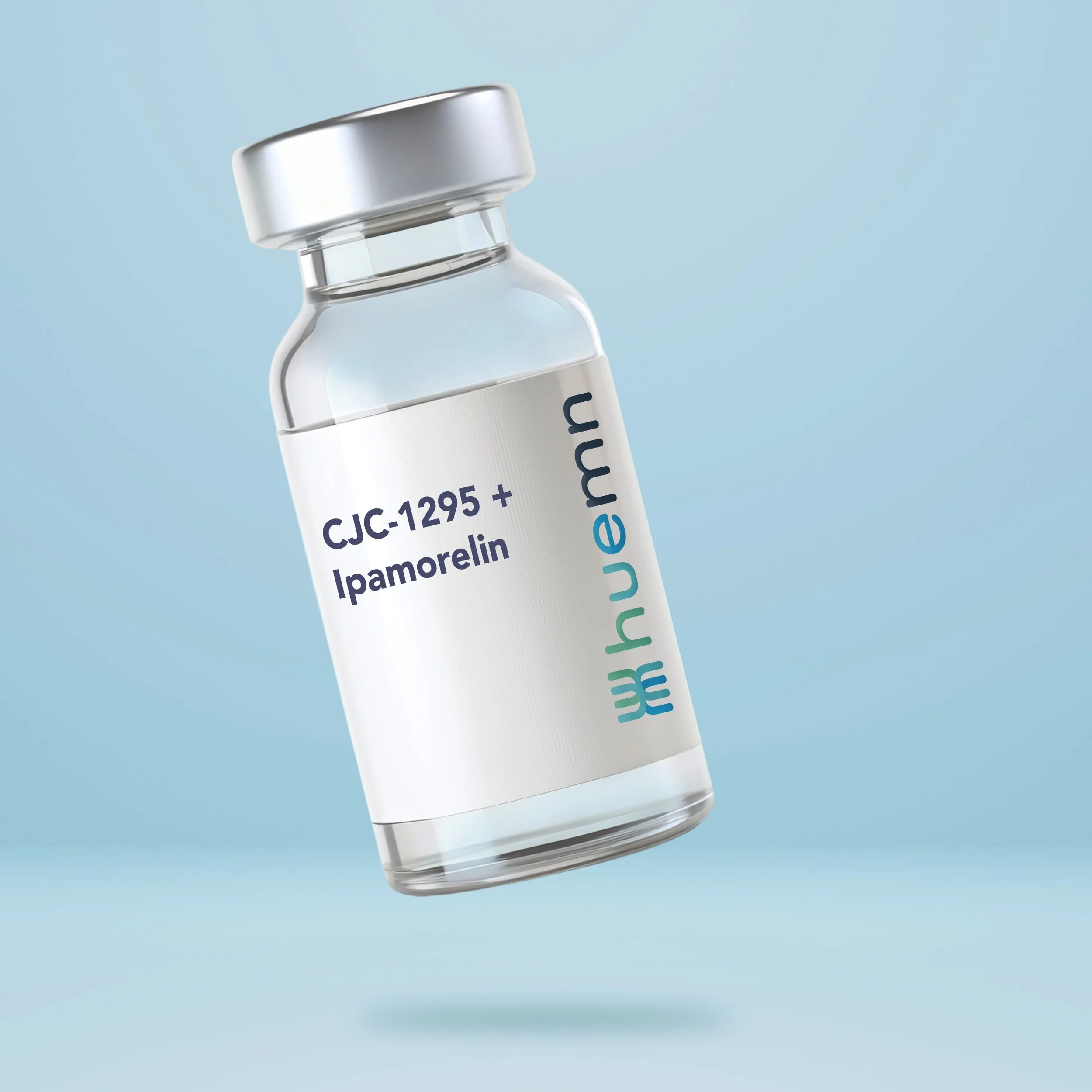
- Lyophilized (freeze-dried) powder vials requiring reconstitution with sterile bacteriostatic water or another specified sterile diluent.
- Pre-measured kits that may include mixing instructions and syringes (vendor-dependent).
- Often administered via injection (subcutaneous is commonly discussed). Oral options are less consistent across suppliers; be wary of marketing that blurs stability and absorption.
Ingredients (what matters beyond “peptide”)
In most ipamorelin products, the main active ingredient is the peptide itself. What you should verify is:
- Actual peptide identity and purity (not just a marketing label).
- Vendor quality documentation—especially third-party testing or COAs (Certificates of Analysis) with results you can interpret.
- Reconstitution instructions and sterile handling guidance.
Quality standards & “green flags”
- Clear labeling (concentration, lot/batch, expiration guidance).
- Documented testing (COA/third-party verification rather than generic statements).
- Consistent dosing instructions including reconstitution steps and safe storage notes.
- Customer support that answers “dose per unit” questions without dodging.
Quality red flags
- “Guaranteed results” language tied to hormone changes.
- Vague dosing (“take as needed”) with no concentration math.
- No lot testing documentation or refusal to share COAs.
- Inconsistent instructions across product pages or packaging.
Note: If you’re specifically concerned about “does ipamorelin affect testosterone,” ask the vendor (or your clinician) how they suggest timing labs, because measurement timing can matter as much as the dose.
Comparison of Common Options
| Format | Typical Dose/Use | Pros | Cons | Cost | Best For |
|---|---|---|---|---|---|
| Ipamorelin vial (reconstituted powder) | Small, scheduled injections; dose depends on concentration | Commonly used; easier to follow structured timing | Requires sterile handling; dosing math is on you | Often mid-range per cycle | Women who prefer a tracked, conservative experiment |
| Ipamorelin + companion peptide kit (vendor-combined) | Stacked schedule per label; may include additional peptides | Convenient; some users like protocol bundles | Harder to identify what caused any changes | Often higher than single peptide | Experienced users with lab tracking plans |
| Ipamorelin “graded” strength products | Different concentrations; dosing adjusted by volume | Flexibility for dose tailoring | More opportunities for reconstitution errors | Varies by vendor | Women who already understand syringe measurement |
| Oral-style marketing claims (capsules/lozenges) | Varies widely; often not consistent across suppliers | No injections for those who dislike needles | Absorption and stability can be unclear; evidence is thinner | Can be mid-range | People who want a non-injection approach—but should be cautious |
| Alternative route: clinician-supervised hormone support | Varies by prescription and baseline labs | Better monitoring options for hormone-related outcomes | May require prescriptions; not peptide-focused | Varies widely | Anyone with symptoms plus unclear lab results |
Buying Framework and Red Flags
If your goal is to evaluate “does ipamorelin affect testosterone,” your best first step is to ensure you’re buying something you can trust enough to interpret results. Here’s a practical checklist I use like a consumer review template:
- COA/third-party testing: Do you see batch-specific results?
- Clear concentration: Can you calculate dose per injection from the label?
- Reconstitution guide: Does the product explain sterile steps and storage?
- Lot number and expiration: Are details consistent across the listing and vial?
- No hard-sell claims: If it promises hormone miracles, treat it as a red flag.
- Returns/support: Can you ask a question and get a straight answer?
Red flags worth acting on immediately:
- Vendor won’t provide batch details.
- Marketing suggests you can “fix menopause” or “guarantee testosterone changes.”
- Dosing instructions are vague, inconsistent, or missing concentration math.
- Product handling guidance is missing or seems unsafe.
Common Mistakes and How to Avoid Them
- Expecting testosterone changes on day one: Hormone systems don’t behave like a switch. Give the body time, but also have an “if this doesn’t feel right” stopping plan.
- Skipping baseline labs (or timing): If you care about testosterone specifically, plan labs thoughtfully (and discuss timing consistency with a clinician).
- Stacking too many variables: Starting a new workout plan, changing supplements, and adjusting sleep all at once makes it impossible to interpret whether any effect was ipamorelin-related.
- Ignoring side effects: Sleep disruption, persistent headaches, or mood changes should not be “pushed through.” Discontinue and get medical advice.
- Not checking product quality signals: Even if the ingredient is correct, inconsistent purity or preparation can change results—and safety.
FAQ
1) Is it proven that ipamorelin affects testosterone in women 45–54?
Not in a way that’s strong, direct, and specific to women your age. Research often focuses on broader endocrine pathways and may not demonstrate consistent testosterone outcomes in midlife women. Many effects people feel are not the same as measured testosterone changes.
2) How long does it take for ipamorelin to affect testosterone levels?
If any testosterone-related changes occur, timing can vary by person and depends on baseline hormones, lab timing, and product consistency. Without reliable lab monitoring, it’s difficult to answer precisely—many users notice changes in how they feel sooner than they can confirm in labs.
3) What side effects should I watch for when trying ipamorelin?
Commonly discussed issues include sleep disturbances, headaches, and feeling emotionally “off.” If side effects are persistent, worsen, or include concerning symptoms, stop use and consult a healthcare professional.
4) Can I combine ipamorelin with other peptides or supplements to support libido or hormones?
Combining can make it harder to tell what caused any effect or side effect. If you’re considering stacking, be extra cautious about hormone-sensitive conditions and consider discussing a plan with a clinician—especially if you’re trying to interpret testosterone-related outcomes.
5) Is oral ipamorelin better than injection, or are there alternatives?
Oral products vary widely in formulation and evidence quality. Injection approaches are often what peptide users mean by “standard use,” but the tradeoff is handling and sterility. The “best” option depends on your comfort and the quality transparency of the product; for hormone questions like testosterone changes, lab-backed guidance is particularly valuable.
A Practical 2-Week Experiment Framework
If you want to answer “does ipamorelin affect testosterone?” for your own body, treat this like a consumer experiment with boundaries—not a long gamble. Here’s a structured 14-day framework:
- Day 0: Set your baseline. Write down sleep hours, perceived energy (0–10), mood, libido changes, training volume, and any existing symptoms. If possible, note your last lab results (especially if you already have testosterone values).
- Days 1–3: Start low and consistent. Use the manufacturer instructions or clinician-guided plan. Do not stack multiple “new” products during this phase.
- Days 4–7: Track signals, not assumptions. Note any sleep disruption, headaches, or mood changes daily. Also track energy and recovery.
- Days 8–10: Decide whether to continue. If you feel worse in a meaningful way (not just minor fluctuations), pause and reassess.
- Days 11–14: Evaluate outcomes you can observe. Look at trends in sleep and energy, and decide whether you’d consider a longer plan. If your goal is testosterone, plan for labs outside of the “how you feel” narrative.
- After Day 14: Document and reset. Return your routine to baseline and record whether symptoms persist after stopping.
Failure-case safety rule: If you experience persistent side effects (especially severe sleep problems, significant mood changes, or concerning physical symptoms), stop and get medical advice. A “testosterone experiment” is not worth pushing through adverse reactions.
About the Author
Jordan Blake is a health consumer reviewer who focuses on evidence-aware product testing and midlife symptom tracking. Over the past several years, Jordan has written comparative guides and “what I tried” summaries across hormone-adjacent wellness categories, emphasizing dose clarity, timing, and realistic outcomes. This article reflects consumer-style observations and general education, not medical care. It is not intended to diagnose, treat, or cure any condition. Always consult a qualified healthcare professional before starting any peptide or hormone-related product—especially if you have hormone-sensitive health concerns or are considering testosterone-related changes.
Discussion