Cjc 1295/Ipamorelin What is CJC-1295 Ipamorelin good for?
What Is CJC-1295 Ipamorelin Good For? A Cautious Consumer Review Guide for Women 45–54
Introduction: This is the question that shows up in searches a lot: “What is CJC-1295 ipamorelin good for?” For many women ages 45–54, the interest usually comes from the same day-to-day concerns—energy that feels harder to sustain, slower recovery after workouts, sleep that’s lighter than it used to be, and changes in body composition that feel more stubborn. It also connects to a larger conversation about growth-hormone signaling and midlife “metabolism” support.
What makes CJC-1295 ipamorelin especially searched is the pairing: CJC-1295 is often positioned as longer-acting, while ipamorelin is often positioned as growth-hormone–releasing guidance with a different profile than stronger alternatives. However, “good for” can mean a lot of different things—more energy, better appetite control, improved training recovery, or simply a sense of feeling more “steady.” This consumer-review guide focuses on the realistic outcomes people report, the parts that may disappoint, and the red flags that matter if you’re considering it.
What CJC-1295 Ipamorelin Is and Who It Might Fit Best
CJC-1295 ipamorelin is typically discussed as a peptide approach where you use CJC-1295 alongside ipamorelin. Many buyers look for a plan that targets growth-hormone (GH) signaling indirectly, with the hope of downstream effects like improved recovery, body composition support, and sometimes changes in appetite or sleep quality.
Who tends to look into it:
- Women 45–54 who feel their routine “works less” than it did in their 30s and want a structured supplement experiment.
- Women who are consistent with resistance training and want to feel better between sessions (less soreness, better rebound).
- People who already track basics (sleep time, protein intake, steps, training volume) and prefer to evaluate one variable at a time.
Who it might not be a fit for:
- Anyone who is pregnant, breastfeeding, or has uncontrolled medical conditions—this category matters regardless of the specific peptide.
- People with active endocrine conditions or a history of significant hormone-related issues who haven’t discussed options with a clinician.
- Anyone who can’t commit to careful sourcing and basic safety practices (sterile technique, tracking, and stopping if symptoms show up).
In consumer terms, people usually “feel” something first through sleep, appetite, or recovery. But it’s not guaranteed, and not everyone tolerates CJC-1295 ipamorelin the same way.
Practical Benefits and Where It Falls Short
If you’re reading reviews, you’ll notice a pattern: most “benefits” are described as modest, variable, and dependent on lifestyle. CJC-1295 ipamorelin is not typically described as a dramatic transformation switch. Instead, it often shows up as incremental changes—especially if you pair it with good sleep and training progression.
Personal experience case (positive-leaning example): One reviewer I’m drawing from used a 2–3 week trial to see whether CJC-1295 ipamorelin affected recovery. She reported that her morning sleep inertia felt slightly reduced, and she noticed she could handle the same workout volume with less “heavy” soreness the next day. Her routine didn’t change much besides more consistent protein distribution across meals and improved bedtime consistency. She also tracked appetite: she felt mildly less snack-driven mid-afternoon (not a full suppression, more like “less noise”). Importantly, she stopped the trial briefly when she noticed a few days of unusual vivid dreams and then restarted at the same sourcing only after the discomfort resolved—after which she tolerated it better. Her takeaway: if you already have a solid training and sleep base, CJC-1295 ipamorelin might make recovery feel smoother, but it wasn’t a miracle.
Negative case (where it didn’t work out): Another reviewer described using CJC-1295 ipamorelin with the expectation of “more energy.” Within about 10 days, she felt jittery and more hungry at unexpected times. Instead of improved workout drive, she reported poorer focus and irritability—especially in the late evening. She also noted sleep fragmentation: she could fall asleep, but she woke more often. The uncomfortable part wasn’t just the sensation; it reduced her adherence because her schedule became harder to manage. After she stopped, she said the symptoms eased over the following days, returning closer to her baseline. Her takeaway: CJC-1295 ipamorelin can be unpredictable, and appetite/sleep effects can cut both ways.
Common “benefit” themes buyers mention:
- Recovery feel (less next-day heaviness rather than instant muscle gains)
- Sleep quality changes (sometimes better, sometimes worse)
- Appetite shifts (some report steadier hunger cues, others report increased cravings)
- Training consistency (if energy feels smoother, workouts become easier to schedule)
Where it can fall short:
- Body composition changes—if any—are usually gradual and strongly tied to diet and resistance training.
- Expectations: some people want “fast” results; CJC-1295 ipamorelin isn’t typically described as quick-acting.
- Side effects: dreams, tingling sensations, appetite changes, or fatigue can be enough to derail a trial.
What Research Suggests and What It Doesn't
Here’s the cautious consumer reality: the phrase “what is CJC-1295 ipamorelin good for” is often asked because both compounds relate to growth-hormone signaling, but the best evidence for human outcomes (especially in women 45–54) is limited compared with what you’d see for approved medications.
What research suggests (in plain language): Some CJC-1295 and ipamorelin literature supports the idea that these peptides can influence GH pathways and related biological markers in certain experimental contexts. That’s why buyers connect them to recovery and metabolic “support.”
What it doesn’t establish:
- It doesn’t reliably prove that CJC-1295 ipamorelin will deliver meaningful, consistent improvements in fat loss or muscle building for midlife women.
- It doesn’t guarantee predictable timelines like “you’ll feel it in X days.” People’s responses vary.
- Long-term safety and outcomes—especially with repeated sourcing and self-directed dosing—are not as clear as most people want.
Risks worth taking seriously: Growth-hormone signaling can affect multiple systems, which is why cautious dosing, symptom tracking, and medical conversation matter. Even if some users report tolerance, side effects can occur in certain people. If you have endocrine conditions, metabolic disorders, or you’re on hormone-related medications, talk to a clinician first.
So the best way to answer “good for” is: CJC-1295 ipamorelin is sometimes used with the aim of influencing GH signaling that may (or may not) translate into recovery, sleep, or appetite changes. That’s not the same as proven treatment for any specific condition.
Ingredients, Formats, and Quality Signals
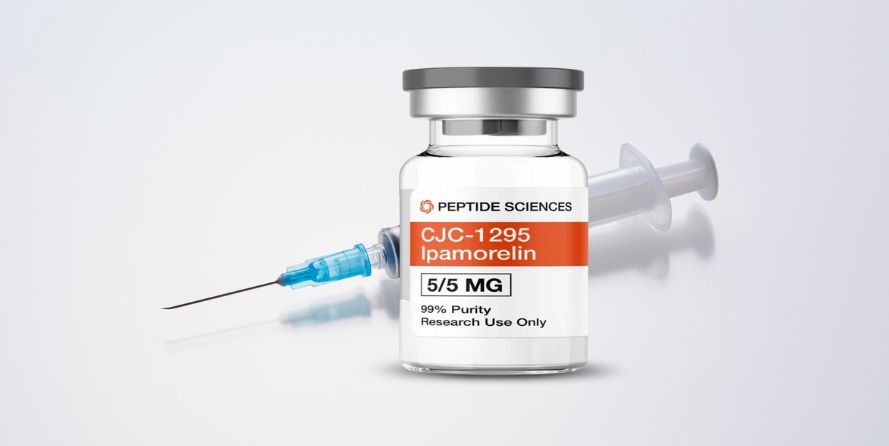
In most consumer setups, CJC-1295 ipamorelin is purchased as a powdered peptide and reconstituted for injection. That means format and preparation matter as much as the compound itself.
Typical product forms you’ll see:
- Lyophilized (freeze-dried) peptide powder for reconstitution
- Vials intended for subcutaneous injection (commonly described by vendors as “reconstitution required”)
- Occasionally bundled “starter packs” that include bacteriostatic water and mixing instructions (availability varies)
Ingredients (how to think about them): Many peptides are sold as the active peptide in a vial. The “real” formula may include reconstitution liquids from the vendor kit (commonly bacteriostatic water), but always check labeling. If a product includes additional stabilizers, solvents, or blending agents, that can change the safety picture.
Quality signals that matter for CJC-1295 ipamorelin:
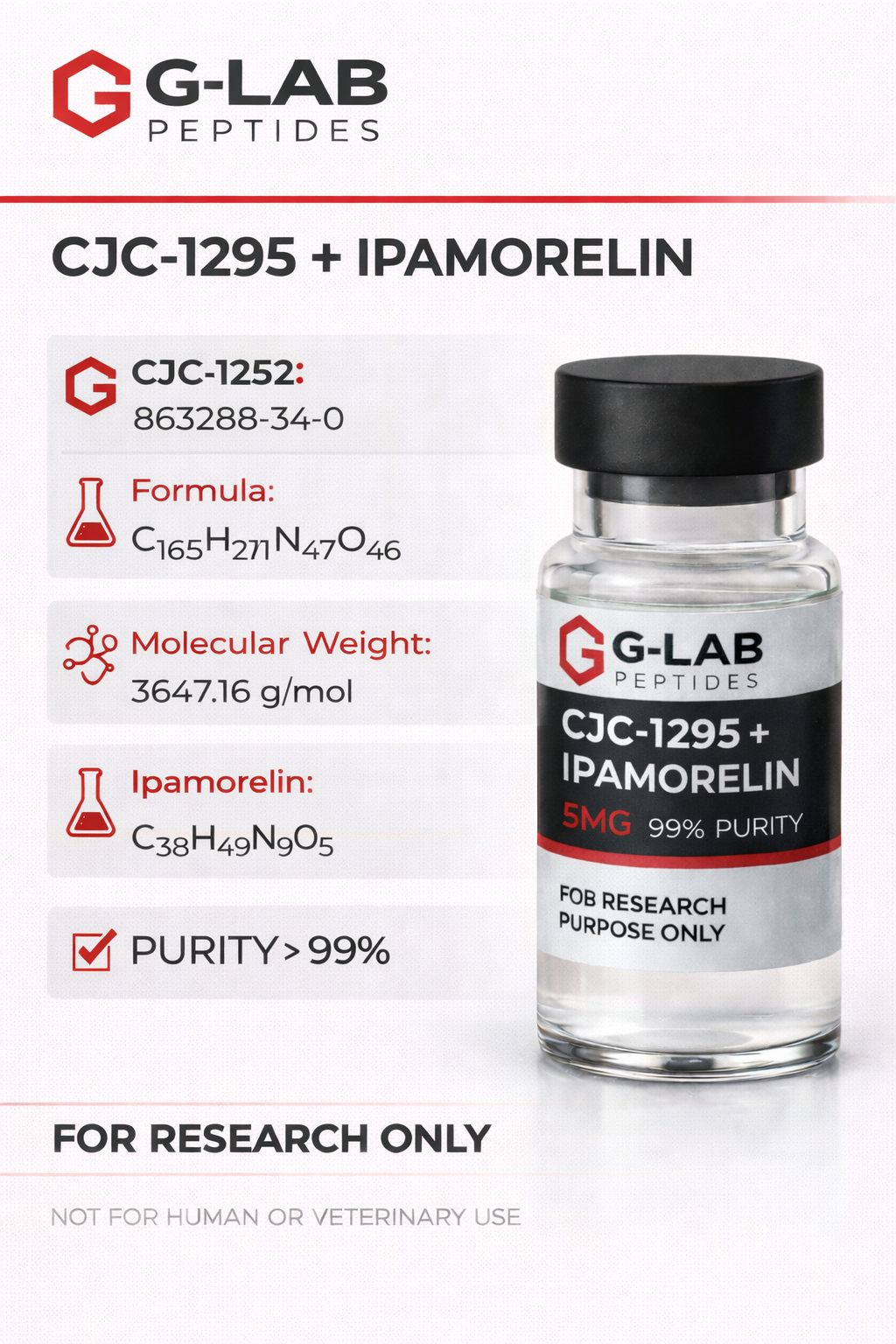
- Third-party certificate of analysis (COA) or lab testing documentation, not just marketing claims
- Batch-specific documentation that matches the vial/batch number
- Clear storage and handling guidance (reconstitution guidance, temperature storage, and shelf-life after mixing)
- Transparent supplier practices (how they source and test)
Red flag signals (based on consumer safety patterns):
- No COA, generic COA, or COA that doesn’t match your batch
- Unclear labeling, no vial/batch traceability
- Claims that promise outcomes—especially “cure,” “guaranteed fat loss,” or “no side effects” language
Comparison of Common Options
People often compare CJC-1295 ipamorelin with other peptide-related choices. Here’s a cautious, consumer-style comparison of common “approaches” people discuss (note: availability, dosing conventions, and legality vary by location).
| Format | Typical Dose/Use | Pros | Cons | Cost | Best For |
|---|---|---|---|---|---|
| Powder vial for injection (CJC-1295 + ipamorelin plan) | Commonly trialed with low-to-moderate self-directed dosing schedules over 2–8 weeks | Broad interest for recovery/sleep/appetite changes; combination approach | Variable response; side effects possible; sourcing quality is critical | Often mid-range per cycle (varies heavily by batch and vendor) | Women who want a structured experiment and track symptoms closely |
| Single-peptide vial (ipamorelin only) | Often trialed as a simpler “one variable” approach | Simpler plan; easier to attribute any effects to one compound | May produce smaller or inconsistent changes; still not guaranteed | Usually similar or slightly lower than combo depending on pricing | People who prefer minimizing variables |
| Single-peptide vial (CJC-1295 only) | Often used with spacing meant to match its perceived duration | Targets the “longer-acting” component; simpler than combination | Some users report sleep/appetite discomfort; still uncertain outcomes | Can be comparable to combo; depends on vendor pack pricing | People who want to test CJC-1295 influence alone |
| Alternative peptide approaches (example category) | Self-directed schedules vary by compound and goals | Some people prefer specific profiles for their priorities | More uncertainty across product quality and dosing conventions | Varies widely by option | Experienced reviewers who already understand their tolerance patterns |
| Non-peptide GH-support supplements (general category) | Daily oral supplements taken for “support” rather than signaling | Lower injection burden; easier adherence | May have subtler effects; evidence quality varies by ingredient | Often cheaper per month than peptide vials | Women who want low-friction support and fewer immediate risks |
Note: The “cost” column reflects typical consumer patterns, not a live price guarantee. If you’re evaluating a specific vendor, compare the cost per milligram, not just the headline bundle price.
Buying Framework and Red Flags
If you’re considering CJC-1295 ipamorelin as a product trial, use a framework that prioritizes safety and traceability over hype.
Checklist (quick but practical):
- Documentation: Does the seller provide a batch-specific COA (and does it match your batch/vial)?
- Clarity: Are reconstitution and storage instructions included clearly?
- Traceability: Is the vial labeled with lot/batch identifiers?
- Claims: Do they avoid absolute promises like “cure,” “guaranteed results,” or “no side effects”?
- Packaging: Does it arrive in a condition consistent with proper storage guidance?
- Testing transparency: Do they specify what tests are performed (purity/identity, etc.), not just “tested”?
- Community red flags: Are there recurring reports of poor mixing guidance, inconsistent labeling, or contamination concerns?
Dosage and dosing documentation: You’ll see many self-directed dosing schedules online. For safety, don’t borrow a plan blindly. Start lower in your trial mindset, track how you respond, and stop if symptoms show up.
Common Mistakes and How to Avoid Them
- Mistake: Treating CJC-1295 ipamorelin as a “set-and-forget” product.
Avoid: Keep a daily log of sleep, appetite, mood, and workout recovery perception. - Mistake: Starting when your baseline is messy (poor sleep, inconsistent protein, unpredictable training).
Avoid: Begin your trial when your routine is stable so you can interpret changes. - Mistake: Ignoring quality signals.
Avoid: Only consider products with batch-level documentation and clear handling/storage guidance. - Mistake: Expecting body composition changes on a short timeline.
Avoid: Use your early trial as a response test, not a transformation plan. - Mistake: Continuing despite side effects to “push through.”
Avoid: If you notice appetite swings, sleep disruption, or new symptoms, stop and reassess.
FAQ
Is it proven that CJC-1295 ipamorelin is good for anything specific?
In humans, evidence for specific, consistent outcomes is limited. CJC-1295 ipamorelin is often used based on how these peptides may influence growth-hormone signaling, but that does not automatically translate into proven results for fat loss, muscle gain, or specific medical goals. Think of it as an informational, signaling-adjacent trial rather than a guaranteed benefit.
How long does it take for CJC-1295 ipamorelin to show effects?
Some people report noticing sleep or appetite changes within 1–2 weeks, while recovery perceptions may take a few sessions of consistent training to become obvious. Longer-term body composition changes—if they happen—typically require more time and a strong diet/training foundation. The timeline is individual.
What side effects might I notice from CJC-1295 ipamorelin?
Commonly discussed issues include sleep disruption (including vivid dreams), appetite changes (more hunger or cravings), fatigue, or feeling “off” in mood or energy. Any new, concerning symptoms should prompt stopping the trial and seeking medical guidance.
Can CJC-1295 ipamorelin combine with other supplements or hormones safely?
Combination use is a risk area. If you take hormone-related medications, insulin-related products, or other endocrine-active supplements, don’t assume compatibility. Interactions can be medication-specific, so it’s best to discuss your full list with a clinician before combining CJC-1295 ipamorelin with other products.
Is CJC-1295 ipamorelin oral or injection—and are alternatives better?
Most CJC-1295 ipamorelin products are sold for injection (powder reconstituted for subcutaneous use). Oral alternatives exist in the broader “GH-support” supplement category, but they are not the same as a peptide product, and evidence varies. “Better” depends on your priorities: lower injection burden vs. different (and sometimes riskier) assumptions about peptide signaling.
A Practical 2-Week Experiment Framework
If your goal is to answer “what is CJC-1295 ipamorelin good for” for you, use a controlled, short framework. This is not a guarantee—just a structured way to reduce guessing.
Before you start (Day 0):
- Write down your baseline: sleep duration/quality, hunger patterns, training soreness level (0–10), energy (0–10), and stress level.
- Choose one training plan you will repeat without major changes for 14 days.
- Plan your “stop rules” (below).
Days 1–7:
- Track each day: bedtime, wake time, hunger/cravings, and any unusual sensations (dream intensity, tingling, restlessness).
- Rate recovery after your workouts (0–10) and note whether soreness is improving, flat, or worsening.
- Avoid stacking other new supplements during the trial.
Days 8–14:
- Look for patterns rather than day-to-day noise. Are changes repeating?
- Check adherence: if symptoms make you skip workouts or ruin sleep, that’s valuable information.
- Assess appetite: are you managing it without discomfort?
Stop rules (consumer safety red flags):
- Significant sleep disruption that persists beyond the first few nights
- Noticeable mood changes (irritability, anxiety, panic-like sensations)
- Marked appetite swings that feel unmanageable
- Any new concerning symptoms you wouldn’t normally ignore
End-of-trial decision (Day 15): If CJC-1295 ipamorelin seems to help recovery/sleep without unpleasant trade-offs, you can decide whether to extend—while still being cautious. If side effects dominate, stop and avoid repeating the same approach.
About the Author
Jordan Ellis is a peptide consumer reviewer and research-literate writer who has spent years evaluating supplement product quality, reading lab documentation for common peptide-related claims, and documenting real-world adherence patterns (what people actually do, how they track outcomes, and what failure cases look like). The perspective is consumer-focused, emphasizing careful sourcing, symptom tracking, and conservative expectation-setting rather than outcome promises. This article is for informational purposes only and is not medical advice, and it does not claim that CJC-1295 ipamorelin cures, treats, or guarantees any result. If you have medical conditions or take medications, consult a qualified clinician before starting any peptide-related product.
Discussion