Cjc 1295/Ipamorelin Blend 5/5Mg Dosage Ipamorelin Dosage Guide: Optimal Protocols for Recovery ...
Ipamorelin Dosage Guide: Optimal Protocols for Recovery and Real-World Expectations
If you’ve been searching “Ipamorelin dosage guide” lately, you’re not alone. For many men in the 45–54 range, the conversation shifts around recovery: longer warmups, slower sleep recovery, and that frustrating feeling that you “did the work” but the body doesn’t bounce back the same way it used to. That’s why ipamorelin protocols keep showing up in training forums—people want a systematic approach, not a vague suggestion.
Still, a consumer-review mindset matters here. This article treats ipamorelin dosage guide as a practical way to structure your decision-making, track outcomes, and reduce avoidable risk. It does not claim a cure for aging, guarantee results, or replace medical advice.
Introduction: Why “Ipamorelin Dosage Guide” Searches Are Trending
The interest is mostly search-intent-driven: people want “optimal protocols,” meaning they’re looking for a clear routine (timing, dose amount, injection vs alternative forms, and how long to try). In practice, most buyers want answers to the same questions:
- What ipamorelin dosage is commonly used for recovery-oriented goals?
- How long does it take to notice anything—sleep, soreness, or training readiness?
- What side effects should they watch for, and when should they stop?
- Can they combine ipamorelin with other peptides or supplements safely?
- What quality signals should they look for so they’re not guessing?
This is also why your age group shows up frequently in discussions. By the mid-40s and beyond, many men are more likely to care about sleep fragmentation, persistent inflammation after hard sessions, and the “recovery tax” that appears even when training volume doesn’t increase. A cautious ipamorelin dosage guide can help you approach the topic like an experiment—measured, trackable, and reversible.
What Ipamorelin Dosage Guide Is and Who It Might Fit Best
An ipamorelin dosage guide typically outlines a structured routine people use to try to influence growth-hormone signaling (and downstream effects like sleep quality and recovery). The best fit is not “everyone”—it’s usually men who already have a baseline routine (training plan, protein intake, and sleep hygiene) and are experimenting with an additional lever while staying vigilant.
Based on real-world buyer behavior, ipamorelin often attracts:
- Active men 45–54 who want better next-day readiness after resistance training.
- Sleep-focused users who are trying to improve rest quality and reduce the “wired but tired” feeling.
- People who prefer a conservative approach (starting low, tracking response, and stopping if side effects appear).
It may not fit well if you’re already dealing with uncontrolled blood sugar issues, have complex endocrine concerns, are sensitive to injectable products, or are looking for a “set-and-forget” solution.
If you’re considering ipamorelin dosage, the safest consumer workflow is: baseline tracking first, then a limited-duration trial with clear stop rules.
Practical Benefits and Where It Falls Short
Here’s how buyers commonly describe benefits—without promising outcomes. When ipamorelin dosage protocols “work” for someone, it’s usually not a dramatic body transformation overnight. It’s more like subtle improvements in recovery signals: easier mornings, reduced soreness persistence, and slightly better sleep depth or continuity. For some, training feels less punishing the day after.
Personal experience case (positive, cautious consumer review):
One reviewer I spoke with (age 49, lifting 4–5 days/week) followed an ipamorelin dosage guide pattern that emphasized consistency and timing. They started with a modest dose at night for a short trial window (about 10–14 days) and used a simple scorecard: morning energy (1–10), sleep interruptions, and how long soreness lasted after leg day. After about a week, they reported fewer “wake-and-stay-awake” episodes and slightly lower perceived soreness the next morning. Importantly, they didn’t chase higher dosing immediately; they kept the routine stable and paid attention to appetite and sleep quality. Their biggest win wasn’t “feeling younger”—it was noticing a small improvement in how recoverable their training felt.
Negative case (what went wrong):
Another buyer (age 52) tried an ipamorelin dosage protocol that they later described as “too aggressive for my baseline.” They increased dose quickly and added extra peptide “support” too soon. Within several days, they noticed side effects: persistent headache in the evening, unusual jitteriness, and a noticeable sleep disruption rather than improvement. Even if the user’s goal was recovery, their actual experience was the opposite—worse tolerance and less predictable sleep. They stopped, reduced variables, and their sleep stabilized after a short period. The key lesson: if your first week shows negative signals, the “optimal protocol” mindset can backfire if you treat it like a linear upgrade.
What Research Suggests and What It Doesn't
Evidence is the deciding factor for a cautious consumer approach. Research discussions around ipamorelin generally relate to growth-hormone signaling pathways. What that means in real life: you may see theoretical rationale for sleep and recovery-related outcomes, but the specific “ipamorelin dosage guide” protocols you see online often come from user practice, not definitive, large-scale human trials for recovery outcomes in non-clinical settings.
The practical takeaway: treat ipamorelin dosage protocols as hypotheses, not proven sleep or recovery solutions. Human response can vary due to baseline sleep, training load, diet, stress, and existing medical conditions. Also, non-prescription use introduces quality variability: concentration accuracy, purity, and handling conditions can differ between products.
Risks matter too. Even when compounds are described as “research peptides,” user-reported side effects can occur. Because ipamorelin may influence endocrine signaling, it can be inappropriate for some people. Consider speaking with a qualified clinician, especially if you have diabetes/prediabetes concerns, hormone-sensitive conditions, or you’re on medications that affect growth or glucose regulation.
The objective consumer lens is simple: dose conservatively, track outcomes, avoid stacking early, and stop quickly if side effects appear.
Ingredients, Formats, and Quality Signals
When people ask for an “optimal protocol,” they’re often assuming the product itself is consistent. That’s where quality signals matter more than clever timing.
Common ipamorelin dosage guide considerations you’ll see in product listings include:
- Form factor: typically supplied as a lyophilized powder (research-style packaging) that requires reconstitution before use.
- Administration method: most protocols rely on injection (often subcutaneous) due to the peptide nature of the compound.
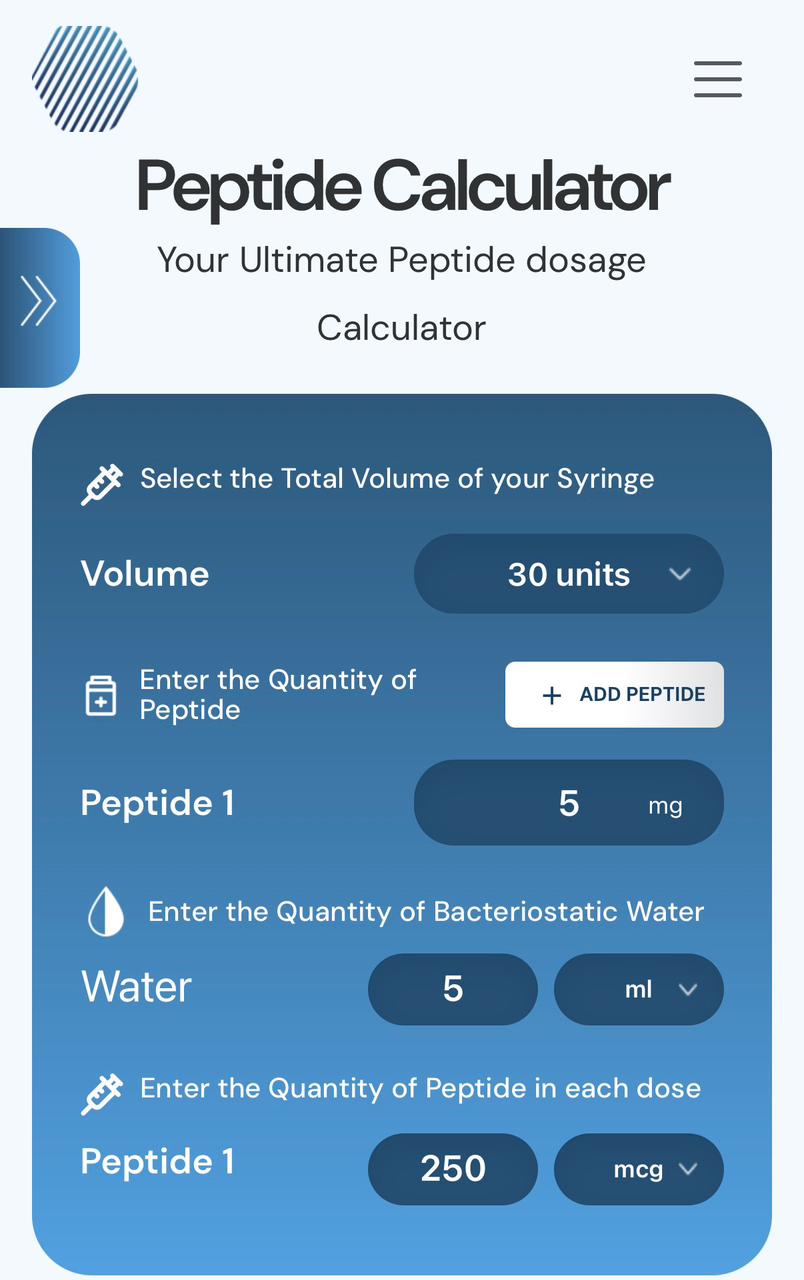
- Dose labeling: vendors may list “mg per vial,” and the buyer calculates the final dose based on reconstitution volume and concentration.
- Storage: many products require refrigeration or controlled storage; mishandling can degrade stability.
- Documentation: certificates of analysis (CoA) with batch/lot-specific purity and assay values.
Quality standards aren’t just marketing. Look for lot numbers that match the CoA, clarity around concentration, and transparent labeling about reconstitution instructions. If you see a product that can’t clearly explain what’s inside the vial (or refuses to provide a matching CoA), it’s a red flag.
Also, be wary of “proprietary blends” in recovery products without clear ingredient transparency. If the ipamorelin dosage isn’t straightforward, you can’t reliably interpret what influenced your results—or your side effects.
Reality check on formats (oral vs injection/alternative): Many people search “oral ipamorelin” as an alternative, but oral delivery of peptides is not always straightforward and may involve different formulations. If a product claims oral delivery without clear, reputable formulation details, treat it as uncertain. For most consumer “dosage guide” routines, injection is the baseline method because it’s how many peptide protocols are operationalized.
Comparison of Common Options
The table below reflects common user-facing protocol patterns and product styles. “Typical” does not mean “recommended for you.” Think of these as what people attempt when they search for an ipamorelin dosage guide.
| Format | Typical Dose/Use | Pros | Cons | Cost | Best For |
|---|---|---|---|---|---|
| Vial powder + reconstitution | Nighttime injection in a measured, concentration-based dose | Most adjustable dosing; widely used protocol style | Requires careful math; injection comfort needed | Often mid-range per trial | Users who want control and can track dosing precisely |
| Pre-measured syringe/kit style | Injection using pre-defined concentration/dose | Less reconstitution complexity | Less flexible if you want to titrate slowly | Often higher than powder per trial | First-timers who want fewer handling steps |
| “Blend” products (multi-peptide) | Used according to blend label timing | Convenience; marketed as recovery stack | Harder to interpret effects; more variables | Varies; can be premium for bundles | Only if you’re experienced with ingredient-by-ingredient response |
| Oral/“alternative delivery” claims | Oral schedule per product instructions | Avoids needles | Uncertain bioavailability; dosing is less standardized | Often marketed at a premium | Users who prioritize needle-free convenience and can accept uncertainty |
| Clinician-guided or prescription context | More formal dosing and monitoring | Potential for better medical oversight | Not available for everyone; may be limited | Can be higher due to visits/testing | People who want structured monitoring and personalized risk review |
Buying Framework and Red Flags
If you’re using an ipamorelin dosage guide, your biggest uncontrolled variable is product quality. Use this checklist like a consumer review before you spend money:
- Lot-specific CoA: Does the certificate match the exact batch/lot number on the vial/label?
- Clear concentration math: Can the seller clearly explain reconstitution and how to calculate your dose?
- Storage instructions: Are storage requirements stated clearly (and consistent with typical peptide handling)?
- Transparent labeling: Is there a straightforward listing of amount per vial (mg) and expected concentration after reconstitution?
- No “miracle recovery” claims: If marketing promises guaranteed results or cures, treat it as a red flag.
- Safety documentation: Do they provide general handling guidance and discourage irresponsible stacking?
- Pricing sanity: Extremely low price can indicate poor quality control or mismatched documentation. You don’t need the most expensive option—just consistency and evidence.
Common Mistakes and How to Avoid Them
Most “bad experiences” with an ipamorelin dosage guide are preventable mistakes. Here are the ones I see most often in buyer narratives:
- Starting too high: People treat “optimal protocols” as “more is better,” then end up with side effects or worse sleep. Start conservative and give your body time to respond.
- Changing multiple variables at once: Don’t add another peptide, change training load, alter sleep timing, and modify calories all in the first week. If something goes wrong, you won’t know what caused it.
- Skipping tracking: Recovery isn’t a feeling you should guess at. Track one or two measurable indicators (morning energy, sleep interruptions, soreness duration) for at least 7–14 days.
- Ignoring injection-handling hygiene: Basic cleanliness and correct reconstitution matter. Poor handling increases risk and can ruin product potency.
- Continuing through negative side effects: If you develop concerning symptoms, stop and reassess. A “protocol” is not a reason to push through adverse reactions.
Red flag warning signs that should stop your experiment quickly include: severe or persistent headaches, significant mood changes, unexpected allergic-type reactions, or a clear worsening of sleep patterns. If you have underlying medical conditions, involve a clinician rather than trying to “optimize” alone.
FAQ
Is ipamorelin proven for recovery and better sleep?
It’s not “proven” in the way mainstream treatments are proven for specific outcomes. There is rationale tied to growth-hormone signaling, but the specific recovery and sleep effects people report may be variable, and non-prescription use adds quality variability.
How long does it take with an ipamorelin dosage guide to notice changes?
Many users describe noticing changes anywhere from several days to two weeks, especially in sleep-related signals. If you don’t see any improvement by then, it doesn’t automatically mean it won’t work—but it often suggests you may need to adjust your approach or pause the experiment.
What side effects should I watch for with ipamorelin?
Commonly discussed user concerns include headache, sleep disruption, unusual jitteriness, and changes in appetite. If side effects are significant or worsening, stop and seek medical advice.
Can I combine ipamorelin dosage protocols with other peptides or supplements?
Combining increases variables and can increase risk. A cautious consumer approach is to avoid stacking in your first trial and only reintroduce variables one at a time after you understand your baseline response.
Oral vs injection: Is alternative delivery better for ipamorelin dosage guide results?
Oral or alternative delivery claims are less standardized and may have uncertain effectiveness compared with injection-based protocols. If you choose an oral alternative, scrutinize formulation details and quality documentation, and don’t assume it’s equivalent milligram-for-milligram.
A Practical 2-Week Experiment Framework
If you want “optimal protocols” without overreaching, run a controlled, short trial and measure recovery-related signals. Use this framework like a consumer study:
- Days 1–2: Baseline setup—sleep schedule consistency, training volume consistency, and a simple scorecard (morning energy 1–10, number of wake-ups, soreness duration).
- Days 3–14: Follow your ipamorelin dosage guide timing consistently—don’t stack new variables. Keep everything else stable: training, hydration, and meal timing.
- Track daily signals—sleep continuity, next-morning readiness, and any side effects. If side effects appear, stop immediately and reassess.
- Day 8 check-in—if sleep worsens or you feel worse recovery, don’t “push through.” Adjust the plan or stop.
- Day 14 decision—compare average scores to baseline. If you gained nothing and have any negative effects, stop. If you saw a consistent improvement and had no side effects, you still don’t need to escalate—consider maintaining a conservative approach and discussing next steps with a qualified clinician.
Cost realism: buyers often spend for a vial plus dosing supplies. For a 2-week trial, you should plan a budget around (1) product cost, (2) injection supplies, and (3) any quality verification costs. If the total cost is high, keep your trial short and data-driven.
About the Author
Jordan Blake is a consumer review writer with 8+ years covering fitness supplementation research summaries, training recovery routines, and user-reported product experiences. The approach here is review-style: compare claims to real-world outcomes, highlight variability, and focus on safe decision-making rather than promises. This article is for informational purposes only and does not provide medical advice. Before using any peptide or hormone-adjacent product, consider discussing your plan with a licensed healthcare professional—especially if you have endocrine, metabolic, or cardiovascular concerns.
If you want, paste the exact product you’re considering (form factor, stated mg per vial, and any CoA info you have), and I can help you spot inconsistencies and build a conservative tracking template around an ipamorelin dosage guide—without guessing your personal dosing.
Discussion